Diets and super foods seem to be trending as
the new fad nowadays.But is there any truth to these proclaimed
health benefits? A recent study in Japan researched the relationship between Green tea
and cardiovascular health, focusing on the antioxidants in Green tea and their
effects on Low density Lipoproteins (LDL) which can build up within arterial
walls in the heart and promote the development of atherosclerosis and other
heart problems.

So what are Low -density lipoproteins (LDL's) and why are they considered harmful to your heart? LDLs are considered the "bad" cholesterol in your body which can lead to a high risk of heart disease. Cholesterol cannot dissolve in the heart, so lipoproteins transport them through the blood stream . LDLs are harmful to your heart because they contribute to the buildup of plaque in your arteries. If an artery is completely blocked this can lead to a heart attack or stroke. This is why doctors often stress patients to keep an eye on their cholesterol levels. Luckily there are dietary measures one can take to ensure a healthy heart.
One of the ways to ensure heart health is to consume foods that are plentiful in antioxidants. Antioxidants are very important to one’s
health, for prior studies have shown they prevent the oxidation of LDL, which is the process that ultimately leads to plaque build up in the arterial walls of the heart. Most plant based products have been shown to contain high levels of antioxidants, such as Green tea.
Prior studies have shown Green tea
to contain catechins, which have antioxidant properties, decreasing
obesity, hypertension (high blood pressure), and diabetes. Therefore, researchers in Japan hypothesized that Green tea extract would decrease LDL oxidation levels by way of
the catechins antioxidant properties. Researchers distributed Green tea extract
(GTE) capsules containing one gram of catechins as well as placebos to two different research groups in a double blind study. One
group contained nineteen healthy males, ranging from ages twenty-five to
fifty-three and the other five healthy females, ranging from ages twenty-two to thirty.GTE was also studied with plasma in vitro.

The participants in the human study were asked to abstain
from eating or drinking anything other than water twelve hours before the
tests. Blood samples were then collected before and after one hour of ingesting
the capsules. Levels of LDL oxidation and catechin levels were then measure and compared to participants' levels prior to ingestion of the GTE. LDL oxidizability was measured via a lag time assay.
The in vitro study incubated human plasma, from healthy volunteers with catechins for twenty minutes at thirty- seven degrees Celsius. LDL oxidizability and catechin concentration within the plasma was then measured.
The Human trials found participants who ingested GTE capsules, showed an increase of
catechin antioxidant activity. The results also showed a prolonged time in LDL oxidation compared to the participants who received the placebo. Furthermore, the results from the in vitro study showed elevated catechin levels as well as an increased lag time of LDL oxidation.
Heart disease is the leading cause of death
in the United States. One of the
ways we can better our heart health is by regulating our nutritional intake by
incorporating foods into our diet which are rich in antioxidants, such as green tea. I believe there should be further
research on how catechins affect LDL oxidation levels after a participant has consumed a
large meal, as well as its effect on patients who have a history of a
cardiovascular disease. Further research is crucial, for experiments such as these, not only raise awareness toward cardiovascular disease, but provide insight on how dietary regulation is key in decreasing heart risk.
Works
Cited
Suzuki-Sagihara Norie,
Kishimoto Yoshimi. “Green tea catechins prevent low-density lipoprotein
oxidation via their accumulation in low-density lipoprotein particles in humans.”
Nutrition Research 36 (2016): 16-23. Print.
http://www.precisionnutrition.com/wordpress/wp-content/uploads/2009/01/green-tea.jpg
http://www.baronstea.com/wp-content/uploads/2015/03/Catechin.png
http://www.precisionnutrition.com/wordpress/wp-content/uploads/2009/01/green-tea.jpg
http://www.baronstea.com/wp-content/uploads/2015/03/Catechin.png

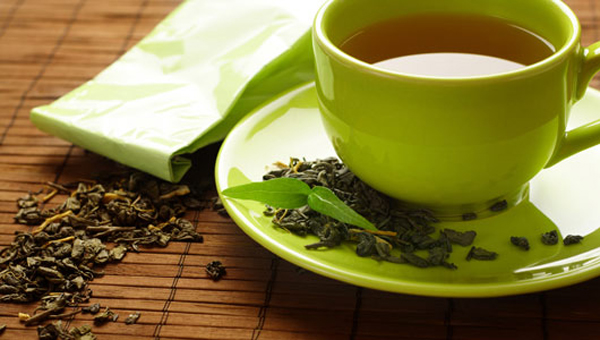

Tea is a natural way to increase your antioxidant levels. We all know that the focus on antioxidants has grown over the past few years, but their health benefits are still doubted by many people. With research like this, it is hard to deny the possible benefits antioxidant packed drinks and foods have on our bodies.
ReplyDeleteIt's really scary that the leading cause of death in the United States is heart disease. I completely agree with you that more studies should be done to understand how catechins affect LDL oxidation. I think that foods that can lower your risk of heart disease should be more well known and incorporated into the American diet more so than it is now. The first step is educating our generation, as well as the generations below us, the risks associated with unhealthy eating.
ReplyDeleteI couldn't agree more. I found Green Tea especially interesting because it not only has been shown to prevent heart disease, but also cerebrovascular disease and respiratory disease, three leading causes of death in Americans. I always stress to my friends that taking preventative measures now is important to ensure heart, brain and overall health in the future.
DeleteWithout reading this article, I have always thought that antioxidant rich foods are the foods that you want to eat. I amazes me that more and more studies are finding different factors that increase heart disease. It makes you wonder if everything is going to become deemed as bad for you, especially when I remember being taught foods and beverages, such a non-sweetened tea are good for you.
ReplyDeleteThis was a very interesting article. I am a regular tea drinker myself. However, not so much of green tea but black tea. One thing that crossed my mind while reading this was whether or not you had stumbled across any research that differentiated the beneficiary effects of green tea vs. black tea on human health? Also, you mentioned that those who ingested the GTE capsules displayed a prolonged time in LDL oxidation compared to those that took the placebo, does this mean that LDL oxidation still occurred in all patients however at different rates? If so, how does the GTE contribute to decreasing one's risk of cardiovascular disease if both groups are oxidizing LDL?
ReplyDeleteWhen researching Green tea I did not find any studies that compared different teas; however, in class we did discuss the synergy between combining different teas and its effect on angiogenesis. I wonder if combining Green and Black tea would provide an increased capability of decreasing Heart disease. I did find some studies that looked at different Green tea brands and the catechin quantity in each, it seems like the more catechins the better the effects of the tea. To answer your second question, the patients who ingested the GTE capsules did still have LDL oxidation; however, the LDL oxidized at a substantially slower rate thus leading to a reduced level of oxidation in comparison to the patients that ingested the placebo.
DeleteI used to drink green tea at least once a day, specifically Matcha Green Tea. However, I switched to less expensive tea more recently. It was interesting to read all of the health benefits associated with green tea specifically the heart health benefits. My mom is a nurse that takes care of patients that recently had open-heart surgery. I will share this with her to pass along. However, this is important for people to know before something like a heart attack happens. If we know something works like green tea and other antioxidant-rich products, we should take more consideration in incorporating them into our diet. I am wondering if different green teas, such as Matcha Green Tea vs. Lipton Green Tea, have different health benefit properties, as in the amount of antioxidants.
ReplyDeleteThat is a great point Jen! I wonder how important the quality of the tea is in terms of the quality of the antioxidants. Future research maybe?
DeleteThis comment has been removed by the author.
DeleteAfter answering a prior comment I did research different tea ingredients/ labels and found that Matcha tea includes the quantity of catechins in their tea. This article really focused on the importance of catechins' antioxidant-like ability and correlation to decreasing heart attacks. Also, when it comes to incorporating heart healthy food products into your diet I couldn't agree with you more. Taking preventative measures and incorporating foods with high catechin and antioxidant levels has so many benefits. I would urge anyone, even if it's a small dietary change, like just drinking a cup of green tea a day it's worth the effort
DeleteI am a tea drinker, I drink tea every morning. I usually have black tea instead of green tea similarly to Angela. It is amusing to see the benefits that green tea obtains, I wonder if black tea obtains similar or any nutritional benefits. I had heard that green tea improves brain function, kills bacteria and fat burning rate. Did you come across any correlation between those who consume green tea and brain function? There are so many different types of tea now, almost every flavor you can imagine. Is there specific ingredient or nutrient that I should pay close attention too when buying tea?
ReplyDeleteInteresting that you brought this up. As I was reading this article I pondered the same questions myself of whether different types of teas have the same nutritional benefits. Especially after the past few lectures in class concerning synergy and different teas having the ability to prevent angiogenesis when combined. Now, when it comes to brain function the article I researched did provide some background information on Green Tea's ability to reduce cerebrovascular disease, which can cause brain damage due to the interruption of its blood supply. This article portrays Green Tea as a preventative measure for this disease. To address your other question on whether there is a specific nutrient to look for when buying tea, I believe catechins would be a great way to start. The main focus of my researched article was a type of polyphenol called a catechin which contains antioxidant- like abilities of lowering LDL levels, as stated in my blog. I went on ahead and looked up a few Green tea labels and found that some do list the amount of catechin content it contains. Here is a link to one of the labels for Matcha Green Tea. https://www.google.com/search?q=catechins+on+back+of+green+tea&source=lnms&tbm=isch&sa=X&ved=0ahUKEwjprojtrpfMAhWDdD4KHQziCnUQ_AUICCgC&biw=1138&bih=548#tbm=isch&q=green+tea+label&imgrc=tzIE-n7yr1djbM%3A
DeleteThey say it is really healthy to drink a cup of tea a day. I usually drink black tea and more than once a day, but not because it has antioxidants in it. I actually did my term paper on antioxidants and we shouldn't aim to increase our antioxidant levels alone. The main thing is to keep a balance between free radicals and antioxidants. Free radicals can be produced in strenuous exercise, and antioxidants by foods and supplements. So we should do both drink tea and exercise in moderation in order to keep these levels in equilibrium. Drinking green tea to raise antioxidant levels alone will actually arm you if your antioxidant levels are overwhelming. However it is nice that tea drinking is proven to be a healthy thing through research.
ReplyDeleteThis research seemed to be very well done to avoid any conflicts. I find it interesting that throughout this course, it seems, that there are multiple nutrients that prevent cardiovascular disease yet it is still the number one cause of death worldwide. I agree with you that more research should be conducted and awareness should be made more public so that people might begin adding these nutrients to their diets.
ReplyDeleteI've always heard of green tea to be beneficial nutritionally speaking because of the antioxidants that are present in it. My parents drink green tea almost everyday and as a result I also drink it multiple times per week. Alex makes a good point in his previous comment when he emphasizes the importance of balance between antioxidant content and free radicals as imbalances could be detrimental to health. I'm interested to see if any other types of tea have any varying impacts on CVD or even obesity risks because everyone is interested in the best type of tea to consume, when it comes to positive health effects.
ReplyDeleteWhen I started drinking green tea I did it because I heard that it promoted weight loss. But turns out it has proven to be more beneficial to my health. I love green tea and teas in general. I am a huge fan of using teas as my medicine whenever I'm not feeling well, or am stressed/anxious or needs a good nights sleep. I probably have five different boxes of green teas in my pantry right now and most of them are mixed with different flavors so I wonder how they differ in affecting my health.
ReplyDeleteIt is wonderful to hear all these great effects of green tea! Just like Stefanny, I like different green teas with mixed flavors. I drink tea more for the flavor rather than the health effects. Alex and Mushtak bring up a good point in that we should make sure we have the antioxidants in equilibrium as too much of antioxidants can be harmful. I am interested in finding out whether there is a significant difference in the catechin antioxidant levels between green tea, Earl grey tea and black tea. That would be an interesting study to look at the difference between the different types of teas.
ReplyDeleteI have heard of the green tea fad and its good to know that there is research which points to its health benefits. Eating plenty of red meat in my diet, I know a healthy lipid profile is needed especially because red meat is very fatty and can lead to atherosclerosis. Clearly I should be drinking more green tea in order to prevent build up of LDL and cholesterol. I have seen studies which show green tea can be harmful to the body, containing fiber glass and other damaging chemicals! Have you seen anything on this matter?
ReplyDelete